

How Occupational Therapy Helps with Social Skills Development
How Occupational Therapy Helps with Social Skills Development
Learning to interact confidently with others is a vital part of everyday life. For children and adults who face social challenges, occupational therapy (OT) provides structured and supportive interventions. OT helps individuals develop essential social skills so they can build friendships, work effectively in teams, and feel more connected at home, school, and in community settings. With the right guidance, people can become more comfortable in social situations and improve their overall quality of life.
Understanding Social Skills Challenges
Social skills are the behaviours and abilities we use when communicating, playing, working, and interacting with others. Difficulties in this area may include:
- Trouble starting or maintaining a conversation
- Challenges interpreting non-verbal cues such as facial expressions or tone of voice
- Struggles with turn-taking, sharing, or waiting
- Difficulty recognising others’ emotions
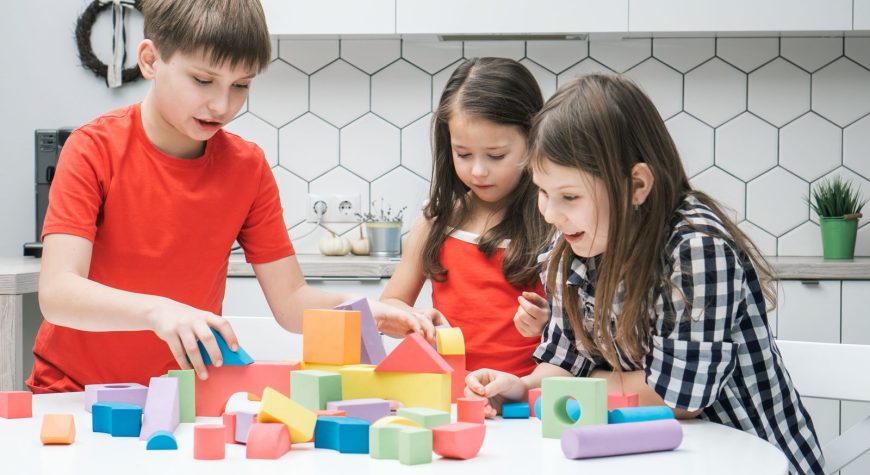
Research shows that children with developmental delays or autism spectrum disorder benefit significantly from play-based OT interventions. These may include role-play, turn-taking games, social stories, and structured peer interactions. Through these activities, individuals learn important skills such as greeting others, sharing, waiting patiently, and listening actively. OT plays a crucial role in helping people overcome social barriers and build confidence in social environments.
OT Approaches to Social Skill Building
Occupational therapists use a range of evidence-based strategies to support social development:
1. Comprehensive Assessment
Therapists begin by assessing a person’s strengths, challenges, sensory needs, and environment.
2. Social Simulation Activities
Activities may include group games, role-play, or social stories to practise real-life interactions in a safe and structured setting.
3. Guided Play and Practice
For children, guided play may involve practising how to ask for help, take turns, recognise emotions, or join a group activity.
4. Adult-Focused Social Training
With adults, OT may target workplace communication, teamwork, relationship-building, or community engagement skills.
5. Family & Caregiver Collaboration
Therapists work closely with families so social skills are practised consistently at home, school, and during everyday routines. Regular practice leads to stronger social participation, improved peer relationships, and greater independence.
Real-World Benefits of Social Skills OT
- Improved interactions with classmates, coworkers, and peers
- Increased confidence in joining conversations and making friends
- Better sharing and turn-taking during group activities
- Stronger interpretation of non-verbal cues like body language and tone
- More comfort in teamwork, meetings, and social outings
Conclusion
Occupational therapy provides powerful support for social skills development across all ages. Through guided activities, real-life practice, and collaborative support, OT helps individuals build the social confidence needed to thrive in school, work, and everyday life.
At Steps Groups, the dedicated team offers personalised therapy for both children and adults—helping them develop stronger communication, deeper connections, and meaningful participation in social roles. With consistent practice and expert guidance, the journey toward confident social interaction becomes achievable and empowering.
