
What Causes a Lisp and How Speech Therapy Helps
What Causes a Lisp and How Speech Therapy Helps
A lisp is a common speech difficulty where a person has trouble pronouncing the sounds “s” or “z.” These sounds may come out with extra air, a softer tone, or a slight whistle. Lisps are especially common in young children as they develop speech, but they can also appear later in life due to habits or physical factors. Although a lisp is not harmful, it can affect speech clarity and sometimes reduce confidence. The good news is that most lisps can be successfully corrected with targeted speech therapy and consistent practice.
Common Causes of a Lisp
A lisp can develop for several reasons, most commonly due to incorrect tongue placement.
1. Incorrect Tongue Position
When the tongue pushes forward or sideways during speech, the “s” and “z” sounds become distorted.
2. Developmental Habits
Some children naturally form tongue placements that lead to a lisp as they grow and learn to speak.
3. Structural or Physical Factors
- Tongue tie
- Missing teeth
- Dental alignment issues
These can all influence how the tongue moves while speaking.
4. Habitual Behaviours
Thumb sucking, prolonged pacifier use, or extended bottle use can contribute to tongue positioning problems.
5. Oral Motor or Sensory Challenges
Delays in oral motor development or reduced awareness of tongue placement may cause a persistent lisp.
Types of Lisps
There are four commonly recognised types of lisps:
- Interdental Lisp – Tongue pushes between the teeth when producing “s” and “z.”
- Dentalised Lisp – Tongue rests against the back of the teeth rather than slightly behind them.
- Lateral Lisp – Air escapes over the sides of the tongue, creating a slushy sound.
- Palatal Lisp – Tongue touches the roof of the mouth instead of the correct position.
Understanding the type of lisp helps the therapist choose the most effective treatment approach.
How Speech Therapy Corrects Lisps
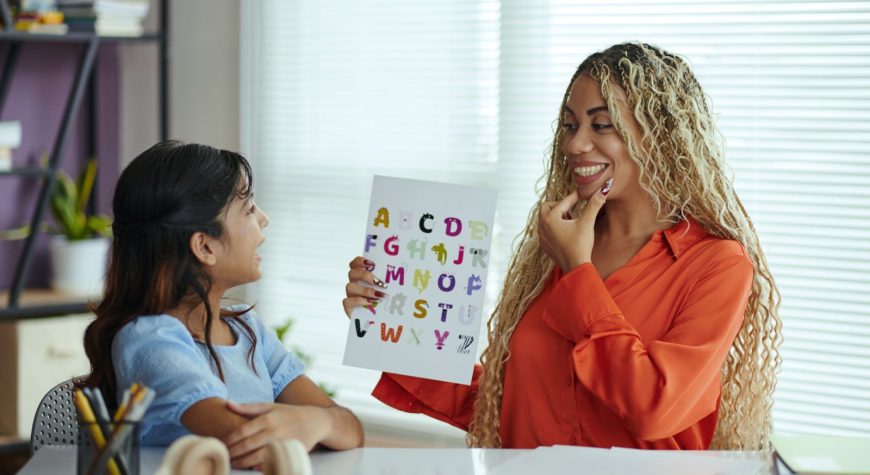
Speech therapy focuses on teaching correct tongue placement, strengthening oral muscles, and building new speech patterns.
1. Awareness Training
Therapists help the child or adult learn where the tongue should rest and how it should move when producing “s” and “z.”
2. Sound Practice
Therapy begins with practising the correct sound in isolation, followed by syllables, words, sentences, and eventually everyday conversation.
3. Fun & Engaging Techniques
Mirror work, games, tactile cues, and guided practice make learning enjoyable and help reinforce new habits.
4. Collaboration With Other Professionals
If physical issues such as tongue tie or dental alignment are involved, the therapist may work with medical or dental specialists for comprehensive care.
With regular therapy sessions and consistent home practice, most children and adults show significant improvement in speech clarity and confidence.
Conclusion
A lisp is a common and highly treatable speech concern. By identifying the cause and working through structured exercises, individuals of all ages can achieve clearer and more confident speech. At Steps Groups, trained speech therapists use proven techniques to help children and adults overcome lisps and build strong communication skills.
