
Social Skills Development Through Occupational Therapy Groups
Social Skills Development Through Occupational Therapy Groups
Social skills are important for building friendships, communicating with others, working in groups, and handling emotions in daily situations. Children use social skills at school, at home, during playtime, and in public settings. Some children naturally develop these abilities, while others may struggle with communication, sharing, listening, or understanding social behavior.
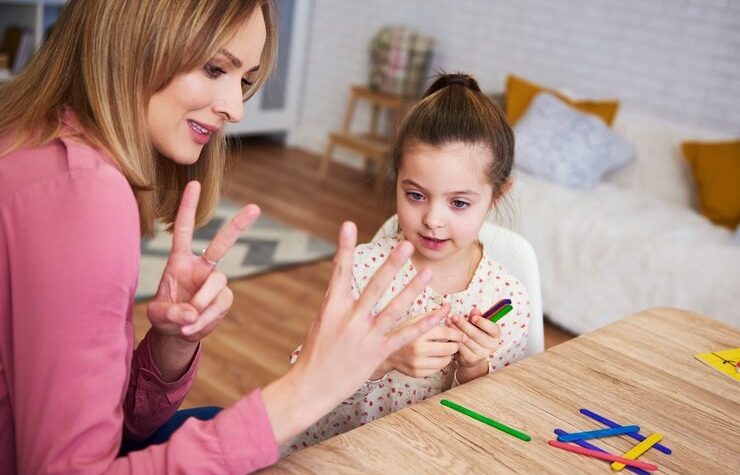
Social skills occupational therapy helps children improve their ability to interact with others in a positive and confident way. Occupational therapists use structured group sessions, activities, and guided interaction exercises to teach children how to communicate, cooperate, and manage emotions in social settings.
Children with autism spectrum disorder, ADHD, sensory processing challenges, developmental delays, or behavioral difficulties often benefit from social skills occupational therapy. Group-based therapy creates a supportive environment where children can practice social interaction with peers while learning important communication and emotional skills.
Social Skills Occupational Therapy
Therapy sessions are designed to help children understand social rules, recognize emotions, respond appropriately in conversations, and build healthy relationships. Group settings allow children to practice these skills in real-life situations while receiving guidance from therapists.
Peer Interaction Skills
Many children face difficulty making friends, sharing toys, taking turns, or participating in group activities. Poor peer interaction skills can lead to isolation and frustration in social environments.
Occupational therapists use group games, cooperative activities, and role-play exercises to improve peer interaction skills. Children learn how to start conversations, maintain eye contact, respect personal space, and work together with others.
These activities help children feel more confident during social situations and improve their ability to build positive friendships.
Communication Development
Communication development is an important part of social growth. Some children may struggle with expressing thoughts, understanding instructions, or responding appropriately during conversations.
Occupational therapy groups help children improve both verbal and non-verbal communication skills. Therapists may use storytelling, conversation games, visual supports, and interactive activities to encourage better expression and listening.
Children also learn important communication habits such as waiting for their turn to speak, understanding facial expressions, and using appropriate tone and body language.
Group Therapy for Children
Group therapy for children creates opportunities for social learning in a safe and structured environment. Children interact with peers while participating in activities that encourage teamwork, cooperation, and problem-solving.
Occupational therapists guide group discussions, games, art activities, and movement exercises to help children practice social behavior. Group therapy also helps children observe how others communicate and respond during social situations.
Regular group participation can improve confidence, classroom behavior, and social comfort in everyday settings.
Emotional Regulation Therapy
Many children struggle with handling frustration, anger, anxiety, or excitement during social situations. Emotional regulation therapy helps children recognize and manage these emotions in healthy ways.
Occupational therapists use calming exercises, breathing techniques, sensory activities, and emotion-identification games to improve emotional control. Children learn how to respond appropriately when they feel upset, overwhelmed, or frustrated.
Better emotional regulation helps children communicate more effectively, participate in group activities, and handle social challenges with greater confidence.
Conclusion
Social development is an important part of a child’s overall growth and daily functioning. Difficulties with communication, emotional control, or peer interaction can affect relationships, school participation, and self-confidence. Social skills occupational therapy provides structured support that helps children improve communication, emotional understanding, and group participation.
Through guided group activities and consistent practice, children can develop stronger social abilities and feel more comfortable interacting with others in everyday situations.
