


Child Not Talking at 2 Years? Here’s What to Do
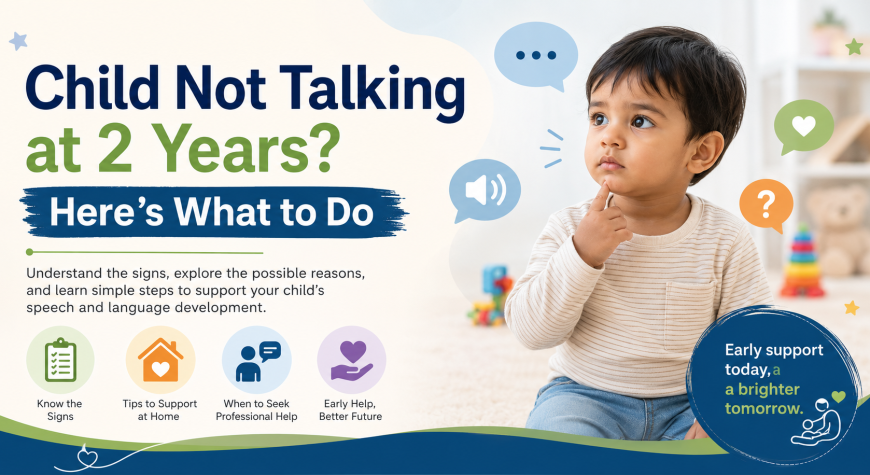
Child Not Talking at 2 Years? Here’s What to Do
Every child develops at their own pace, but by the age of two, most toddlers are beginning to use simple words and short phrases to communicate. If your child is not talking at 2 years old, it’s natural to feel concerned. While some children are simply late talkers, others may need professional support to improve their speech and language development.
At Steps Groups, we encourage parents to seek early guidance if they notice delays, as timely intervention can make a significant difference.
What Is Typical Speech Development at 2 Years?
By the age of two, many children can:
- Say around 50 or more words
- Combine two words into simple phrases
- Follow simple instructions
- Point to familiar objects or body parts
- Express basic needs using words or gestures
Keep in mind that every child develops differently, but consistently missing these milestones may indicate a speech or language delay.
Possible Reasons Your Child Isn’t Talking
Several factors can affect a child’s speech development, including:
- Speech and language delay
- Hearing problems
- Developmental disorders such as autism spectrum disorder
- Oral-motor difficulties
- Limited communication opportunities
- Neurological or genetic conditions
A professional evaluation can help identify the underlying cause and determine the most appropriate intervention.
What Parents Can Do at Home
Supporting your child’s communication at home can encourage language development. Try these simple strategies:
- Talk to your child throughout the day.
- Read storybooks together every day.
- Sing songs and nursery rhymes.
- Encourage your child to point, gesture, and imitate sounds.
- Limit screen time and promote face-to-face interaction.
- Praise every attempt your child makes to communicate.
These activities create opportunities for your child to learn new words in a fun and engaging way.
When Should You Seek Professional Help?
It’s a good idea to consult a speech therapist if your child:
- Says very few or no words by age two
- Does not respond consistently to their name
- Has difficulty understanding simple instructions
- Rarely makes eye contact or gestures to communicate
- Has stopped using words they previously knew
Early assessment helps identify any developmental concerns and allows therapy to begin when it can have the greatest impact.
How Steps Groups Can Help
At Steps Groups, experienced speech therapists conduct comprehensive assessments to understand your child’s communication needs. Based on the evaluation, they develop personalized therapy plans that focus on improving speech, language, and overall communication skills. Parents also receive guidance on activities they can continue at home to reinforce therapy sessions.
Conclusion
If your child is not talking at 2 years old, there’s no need to panic – but it’s important not to ignore the signs. Early evaluation and appropriate support can help children develop the communication skills they need to succeed. At Steps Groups, we’re committed to helping every child build confidence, express themselves effectively, and reach their full potential through compassionate, evidence-based speech therapy.
