


Child Not Talking Yet? When to Worry About a Speech Delay
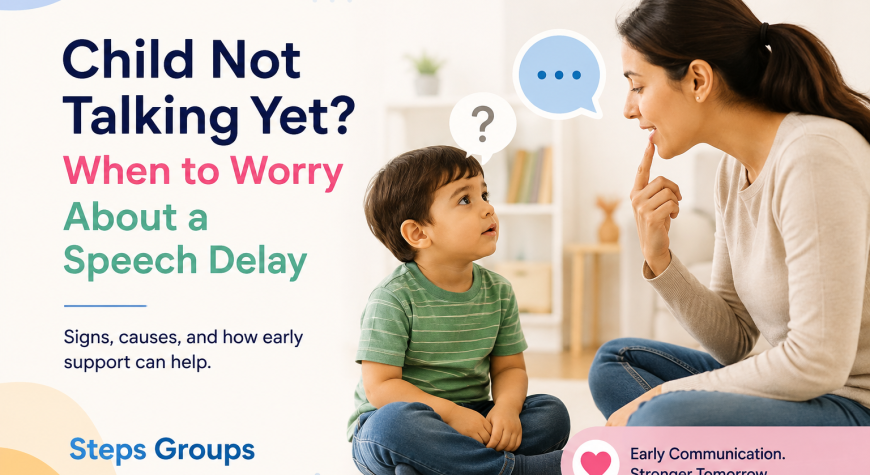
Child Not Talking Yet? When to Worry About a Speech Delay
Every child develops speech and language skills at their own pace. Some children start talking early, while others take more time. However, if a child is significantly behind expected communication milestones or stops using words they previously had, parents should consider seeking professional guidance.
When Do Children Usually Start Talking?
Children develop communication skills gradually. Before saying their first words, babies typically communicate through eye contact, gestures, sounds, and babbling. As they grow, they generally begin using words and eventually combine them into short phrases.
Developmental milestones are useful guidelines, but they are not strict deadlines. What matters is the overall pattern of communication and whether the child continues to make progress. (ASHA)
Signs That May Indicate a Speech Delay
A child who is not talking yet may need further evaluation if they also show signs such as:
- Limited babbling or vocalisation
- Very few words compared with children of a similar age
- Difficulty understanding simple instructions
- Limited use of gestures to communicate
- Difficulty imitating sounds or words
- Trouble expressing basic needs
- Speech that is consistently difficult to understand
- Loss of words or communication skills they previously used.
Why Might a Child Be Late to Talk?
Several factors can contribute to delayed speech or language development. Hearing difficulties can affect how a child learns and understands spoken language. Other possible factors include language-development differences, speech-sound difficulties, oral-motor challenges, or broader developmental concerns.
When Should You Consult a Professional?
Parents should not feel they have to wait until a child reaches a specific age if they have concerns. A pediatrician, audiologist, or speech-language pathologist can assess the child’s communication skills and recommend appropriate next steps.
How Can Parents Encourage Talking?
Parents can support communication through simple daily activities. Talk to your child during meals, play, bathing, and other routines. Read picture books together, name familiar objects, describe actions, and give your child time to respond.
Speech Therapy at Steps Groups
Steps Groups offers speech and language therapy designed around a child’s individual communication needs. Its services support areas such as vocabulary, comprehension, pronunciation, articulation, and overall communication development.
If your child is not talking yet and you are concerned about their progress, professional assessment can provide clarity. Identifying communication difficulties early can help families choose appropriate support and give children more opportunities to develop confident communication skills.
