

Delayed Speech or Language Development: Signs, Causes, and Support
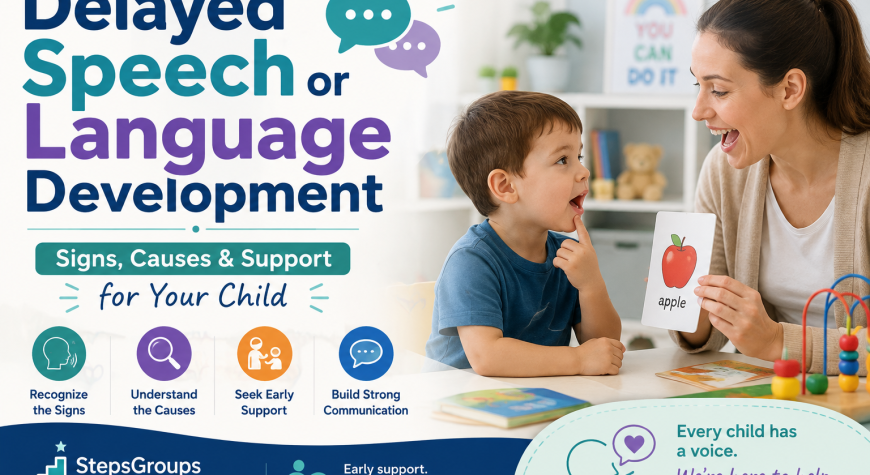
Delayed Speech or Language Development: Signs, Causes, and Support
Speech and language are important parts of a child’s development. They help children express their needs, understand others, learn, and build relationships. While children develop communication skills at different rates, persistent difficulties with speech or language may require professional evaluation and support.
What Is Delayed Speech or Language Development?
Speech refers to producing sounds and words clearly, while language involves understanding and communicating thoughts through words, gestures, and sentences. A child may have difficulty with speech, language, or both.
Common Signs of Speech or Language Delay
Signs can vary depending on the child’s age and development. Some common indicators include:
- Limited babbling or vocalisation
- Using fewer words than expected for their age
- Difficulty combining words into phrases
- Trouble understanding simple instructions
- Difficulty answering questions
- Speech that is difficult to understand
- Relying heavily on gestures instead of words
- Difficulty participating in simple conversations
- Losing communication skills they previously developed.
What Can Cause Speech or Language Delays?
Speech and language delays can have several possible causes. Hearing difficulties, differences in language development, speech-sound difficulties, oral-motor challenges, and certain developmental conditions can affect communication. Because there can be many possible factors, professional assessment is important before assuming the cause of a delay.
When Should Parents Seek Help?
Parents should consider professional guidance if their child is consistently missing communication milestones, is not developing new communication skills, or loses skills they previously had. A pediatrician, audiologist, or speech-language pathologist can evaluate the child’s communication and hearing and recommend appropriate support.
How Can Speech Therapy Help?
Speech and language therapy is tailored to a child’s individual needs. Depending on the assessment, therapy may focus on vocabulary, pronunciation, speech sounds, sentence formation, comprehension, fluency, or social communication. For young children, therapy is often incorporated into play and everyday activities to make communication practice engaging and meaningful.
Supporting Communication at Home
Parents can encourage language development through everyday interactions. Reading together, talking about daily activities, naming objects, asking simple questions, and giving children time to respond can create valuable opportunities to communicate. Using the language or languages parents are most comfortable speaking can also support meaningful interaction.
Speech and Language Support at Steps Groups
Steps Groups provides speech and language therapy for children, focusing on individual communication needs and age-appropriate intervention. Its services include support for areas such as vocabulary, comprehension, pronunciation, articulation, and overall communication.
If you are concerned about your child’s speech or language development, seeking professional guidance can help identify their needs and determine suitable support. Early assessment and intervention can give children valuable opportunities to strengthen their communication skills.
