


Occupational Therapy for ADHD: Improving Focus, Behavior, and Daily Skills
Occupational Therapy for ADHD: Improving Focus, Behavior, and Daily Skills
Children with ADHD often struggle with attention, impulse control, and completing everyday tasks. These challenges can affect school performance, relationships, and confidence. Occupational therapy for ADHD provides structured, practical support that helps children improve focus, manage behavior, and strengthen daily living skills.
Unlike approaches that focus only on symptoms, occupational therapy builds the underlying abilities that support real-world functioning.
How ADHD Affects Daily Life
ADHD impacts more than attention span. Many children find it difficult to stay seated, follow instructions, organize schoolwork, or transition between activities. Emotional regulation can also be challenging, leading to frustration or impulsive reactions.
ADHD therapy for children addresses these concerns by targeting attention control, body awareness, planning skills, and sensory regulation. Therapy focuses on helping the child succeed in daily routines rather than simply correcting behavior.
Improving Focus Through Structured Support
A major goal of occupational therapy for ADHD is strengthening sustained attention. Children learn practical strategies that make tasks more manageable. This form of attention improvement therapy often includes guided activities that gradually increase focus time while teaching children how to break tasks into smaller, achievable steps.
Therapists may introduce visual schedules, timed activities, or movement-based learning to support concentration. These techniques are adapted to fit the child’s age and developmental level.
Building Self-Control with Behavior Regulation OT
Impulsivity and emotional outbursts are common concerns for families. Behavior regulation OT helps children recognize internal signals such as frustration, restlessness, or overstimulation. They learn calming techniques and structured routines that reduce sudden reactions.
Therapy also teaches smoother transitions between activities. Over time, children begin to manage their responses more independently, which improves classroom participation and home routines.
Using Sensory Strategies for ADHD
Many children with ADHD experience sensory differences. Some constantly seek movement, while others feel overwhelmed by noise or touch. Sensory strategies for ADHD are used to help children regulate their bodies and maintain focus.
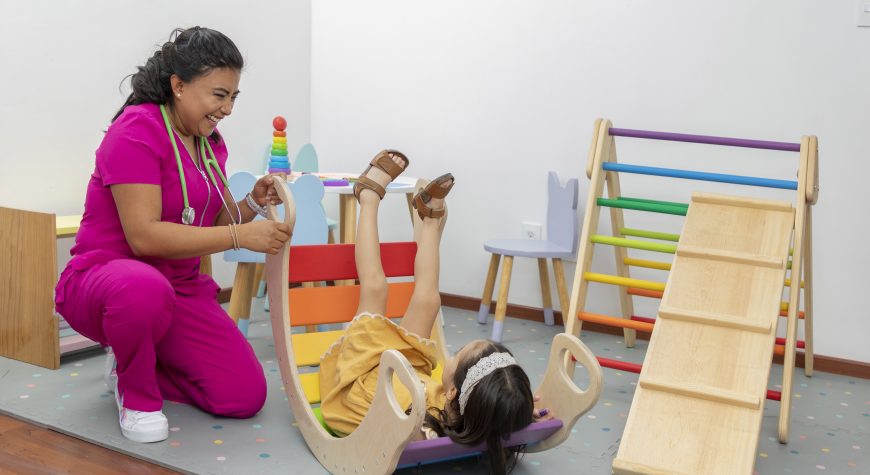
Structured movement activities, deep pressure exercises, and controlled sensory input can improve attention and reduce restlessness. These strategies are integrated into therapy sessions and can be adapted for school and home environments.
Strengthening Daily Skills
ADHD can also affect handwriting, organization, and task completion. Occupational therapy addresses fine motor coordination, planning skills, and sequencing. As children improve in these areas, academic tasks become less stressful and more manageable.
Parents are guided on how to reinforce strategies at home. Consistency across environments helps children apply their skills in everyday situations.
Long-Term Benefits
With consistent occupational therapy for ADHD, children often show better attention span, improved emotional control, and stronger independence in daily tasks. Progress may be gradual, but structured support leads to meaningful changes in behavior and participation.
If your child struggles with focus, impulsivity, or daily routines, seeking professional guidance can help identify whether occupational therapy is the right step. Early and consistent intervention can make a measurable difference in your child’s development and confidence.
