


What Is Occupational Therapy for Children? A Parent’s Guide
What Is Occupational Therapy for Children? A Parent’s Guide
As a parent, you notice when everyday tasks feel harder than they should for your child. Struggles with writing, dressing, focusing, or social interaction can raise concerns. Occupational therapy for children is designed to support kids in developing the skills they need to manage daily life with confidence. This guide explains what therapy involves and how it can help your child grow.
What Is Occupational Therapy for Children?
Occupational therapy for children helps kids build the physical, sensory, cognitive, and emotional skills required for everyday activities. For children, “occupation” refers to daily tasks such as playing, learning, eating, dressing, and interacting with others.
Many parents hear the term OT for kids and assume it is only for children with serious conditions. In reality, it supports a wide range of developmental needs, including mild delays.
What Is Pediatric Occupational Therapy?
Pediatric occupational therapy focuses specifically on infants and children. It works on the foundational abilities that allow children to function independently. This form of child development therapy strengthens coordination, attention, sensory processing, and self-care skills. Instead of only addressing surface behaviors, therapy builds the underlying skills that make daily tasks easier.
Understanding the Occupational Therapist Role
The occupational therapist role includes assessment, goal-setting, intervention, and parent guidance. A therapist will:
- Evaluate your child’s strengths and challenges
- Identify developmental gaps
- Create a personalized therapy plan
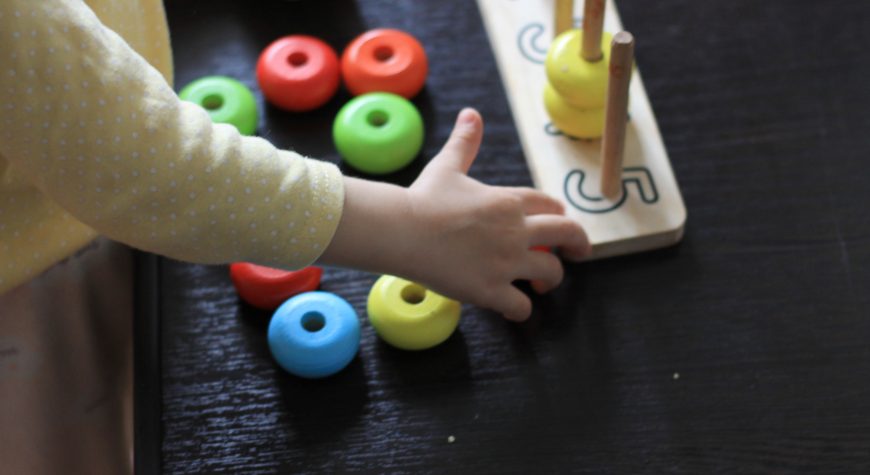
- Use structured, play-based activities to build skills
- Provide strategies for home and school
Sessions are engaging and interactive. Children often learn through games, movement, and hands-on tasks.
Who Can Benefit From OT for Kids?
Your child may benefit from occupational therapy for children if they:
- Struggle with handwriting or using scissors
- Have difficulty dressing independently
- Avoid physical play or seem clumsy
- React strongly to sounds, textures, or touch
- Find it hard to focus in school
- Experience challenges with peer interaction
Therapy is commonly recommended for children with developmental delays, sensory processing issues, ADHD, autism spectrum conditions, or coordination difficulties. It can also help children who simply need extra support.
What Skills Are Addressed?
Child development therapy through occupational therapy often targets:
- Fine motor skills – improving hand strength and control for writing and self-care.
- Gross motor skills – enhancing balance, coordination, and body awareness.
- Sensory processing – helping children respond appropriately to sensory input.
- Daily living skills – supporting independence in dressing, feeding, and grooming.
- Attention and regulation – strengthening focus and emotional control.
How Does Therapy Work?
The process usually begins with an evaluation. The therapist observes your child and discusses your concerns. Clear goals are then set based on practical daily needs.
Sessions typically last 30 to 60 minutes. Activities are designed to be enjoyable while targeting specific developmental outcomes. Parents receive guidance to reinforce skills at home, which improves progress.
Occupational therapy for children supports the essential skills your child needs for everyday participation. Through structured pediatric occupational therapy and targeted OT for kids, children gain independence, confidence, and improved functioning at home and school.
If you notice ongoing challenges in daily routines, a professional evaluation can help you decide whether therapy is the right step for your child.
